Author: Astfloors

  • Designing Vintage-Inspired Living Spaces with Furniture

    Designing Vintage-Inspired Living Spaces with Furniture

    Creating a Cozy Retreat

    When it comes to designing our homes, creating a cozy retreat is a priority for many of us. A cozy space provides a sense of comfort, relaxation, and nostalgia. One way to achieve this ambiance is by incorporating vintage-inspired design elements into our living spaces.

    Vintage aesthetics bring timeless charm and character to a room, creating an inviting atmosphere that evokes a sense of warmth and tranquility. In this blog post, we will explore how to achieve a cozy retreat by designing vintage-inspired living spaces with furniture.

    Understanding Vintage-Inspired Design

    Before diving into the details of designing vintage-inspired living spaces, it is important to understand what vintage-inspired design entails.

    Vintage-inspired design refers to the incorporation of elements and aesthetics reminiscent of a bygone era into modern living spaces. It involves blending antique, retro, and mid-century styles to create a cohesive and nostalgic vibe. Vintage-inspired design celebrates the beauty of the past, offering a unique and distinctive look to any home.

    Selecting Premium Furniture for a Vintage-Inspired Retreat

    When designing a vintage-inspired retreat, selecting the right furniture is crucial. Premium furniture not only enhances the overall aesthetic but also ensures durability and longevity.

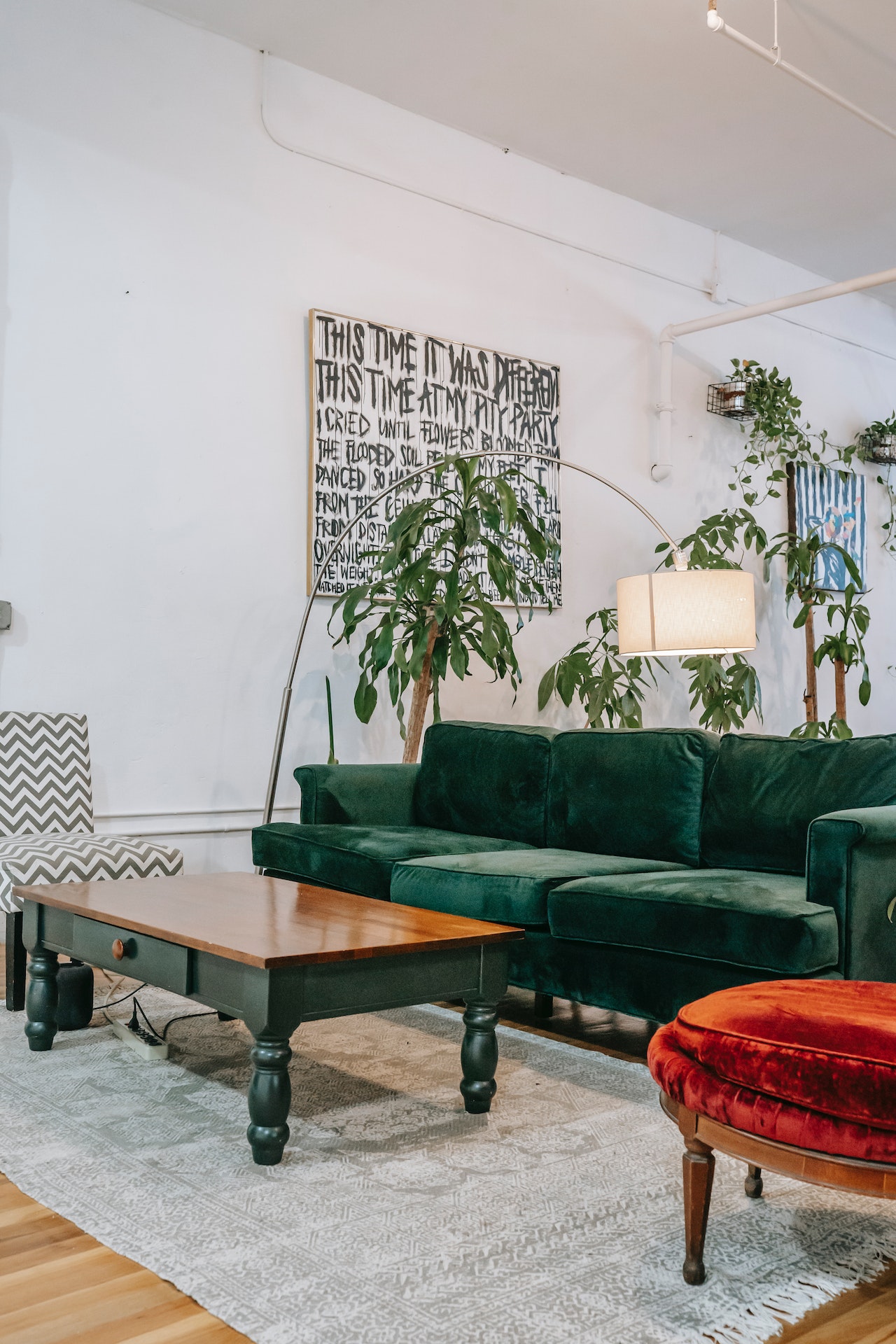
    Start by researching and exploring different vintage furniture styles. Look for pieces that reflect the era you wish to incorporate into your space, such as Art Deco, mid-century modern, or retro furniture styles. Consider essential vintage-inspired furniture pieces like a statement sofa, a retro armchair, or a sleek coffee table. These furniture pieces will serve as focal points in your vintage-inspired living space.

    Investing in quality and craftsmanship is key when selecting furniture. Premium furniture offers superior construction and longevity, ensuring that your vintage-inspired living space stands the test of time. Evaluate the materials used, the quality of upholstery, and the overall craftsmanship of the furniture pieces to ensure they meet your standards.

    Exploring Mid-Century Upholstery

    One of the defining features of vintage-inspired design is the upholstery found on furniture pieces. Mid century upholstery plays a crucial role in achieving the desired vintage look. When selecting upholstery fabrics, consider those commonly used during the mid-century era. Fabrics such as velvet, tweed, and leather add an authentic vintage touch to your furniture pieces.

    Choose colors and patterns that complement your vintage-inspired design scheme. Opt for earthy tones like mustard yellow, olive green, or burnt orange for a mid-century vibe. For patterns, explore iconic mid-century designs like herringbone, geometric shapes, or abstract patterns. These patterns and textures will add visual interest and depth to your vintage-inspired living space.

    Designing Vintage-Inspired Living Spaces

    Once you have selected your premium vintage-inspired furniture and upholstery, it’s time to design your living spaces. Thoughtful furniture placement and layout are essential elements in creating a cozy retreat. Arrange your furniture pieces in a way that promotes conversation and comfort, ensuring they are easily accessible and inviting.

    When choosing colors and finishes for your vintage-inspired living spaces, consider using a soft color palette to create a relaxed atmosphere. Opt for pastel hues, muted tones, or warm neutrals to evoke a sense of nostalgia and serenity. Delicate finishes such as matte or distressed wood, brushed metals, or even lacquered surfaces can further enhance the vintage feel of your furniture pieces.

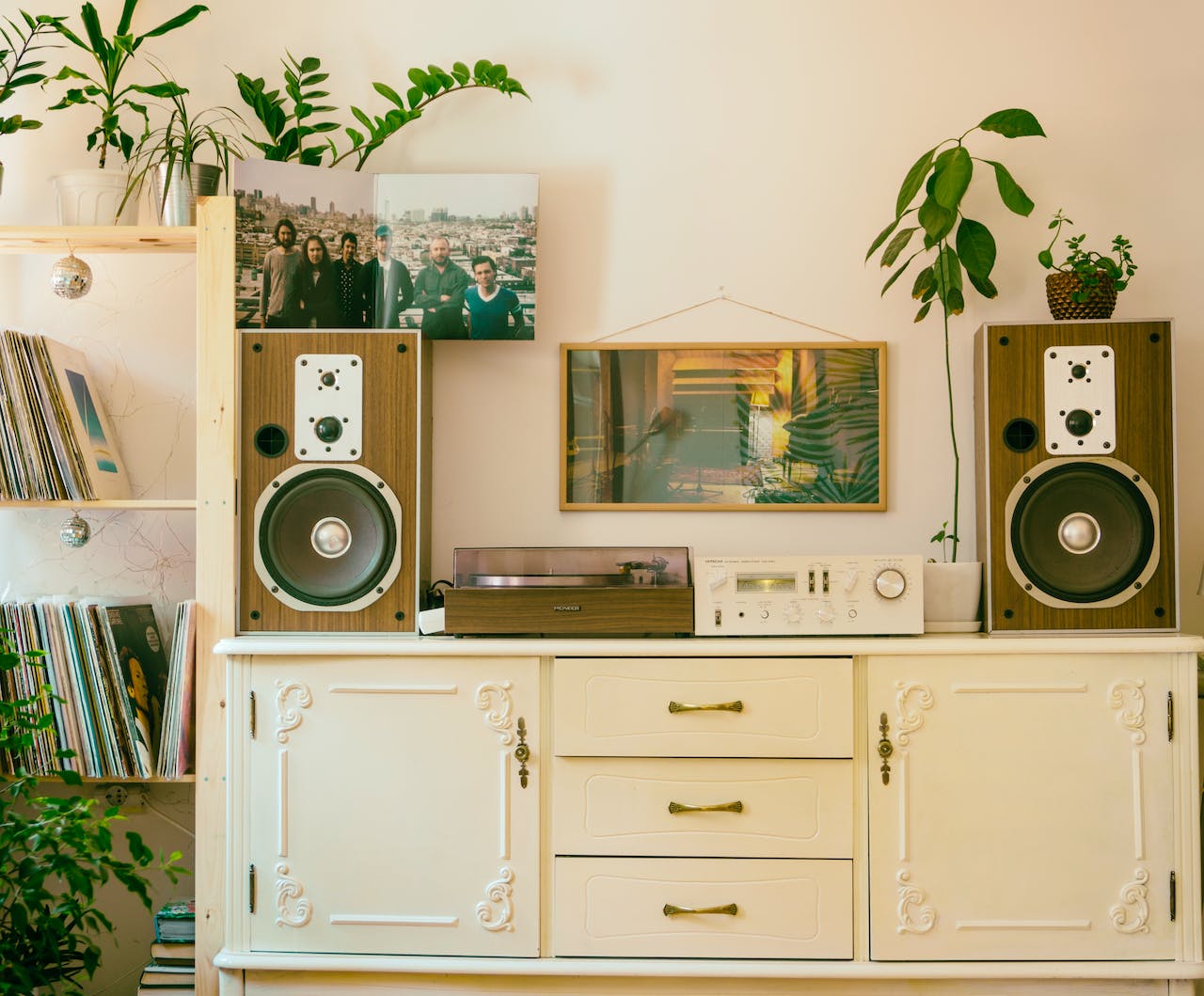
    Layering and accessorizing vintage-inspired living spaces is another crucial aspect of achieving a cozy retreat. Add throw blankets, plush pillows, and vintage-inspired decorative accents such as antique clocks, retro lamps, or vintage artwork to create a sense of coziness and visual interest. Don’t be afraid to mix and match different textures and styles to achieve a curated and lived-in look.

    Maintenance and Care of Vintage-Inspired Furniture

    Caring for your vintage-inspired furniture is essential to ensure that it retains its beauty and functionality. Regular maintenance and care can extend the lifespan of your furniture pieces. Follow manufacturer instructions for cleaning and maintaining each piece, paying special attention to the upholstery.

    Avoid placing your furniture in direct sunlight to prevent fading or discoloration. Use coasters or placemats to protect surfaces from stains or spills. Clean your furniture regularly with a soft cloth or brush, depending on the material, to remove dust, dirt, or debris. For upholstery, consider professional cleaning services or spot cleaning with appropriate products as needed.

    Photo by Gashif Rheza

    Conclusion

    Designing vintage-inspired living spaces with premium furniture and mid-century upholstery offers a unique opportunity to create a cozy retreat at home. By carefully selecting furniture pieces, exploring mid-century upholstery, and designing with attention to placement and styling, you can achieve a timeless ambiance that invites warmth and relaxation. Remember to invest in quality, maintain your furniture properly, and enjoy the beauty of a vintage-inspired living space that will bring joy and nostalgia for years to come.

  • Choosing the Perfect Shutters for Your House

    Choosing the Perfect Shutters for Your House

    A Comprehensive Guide

    Choosing the perfect shutters for your house is an important decision that can significantly impact the aesthetics and functionality of your home. With a wide variety of options available, it can be overwhelming to navigate through the choices. This comprehensive guide will provide valuable insights and considerations to help you make an informed decision when selecting shutters for your house.
    Understanding Plantation Shutters

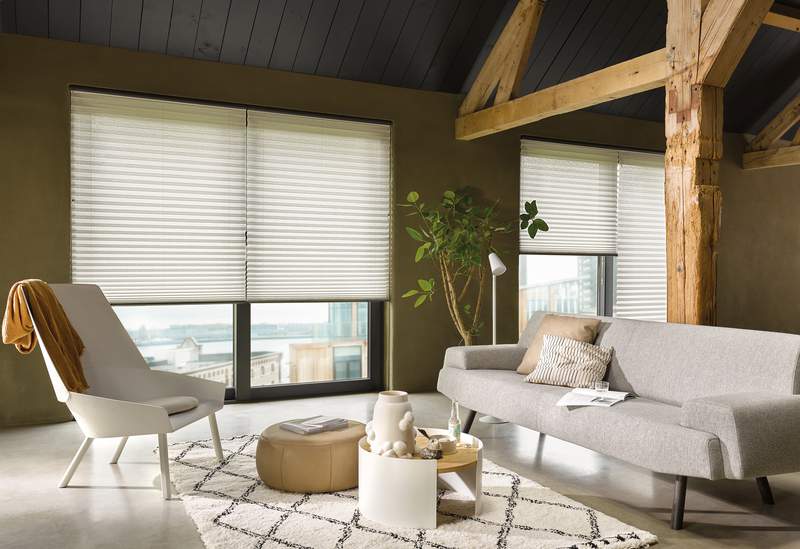
    Plantation shutters have become increasingly popular due to their timeless appeal and practical benefits. They are characterized by wide horizontal slats and a classic design that complements various architectural styles. Understanding the features and benefits of plantation shutters will help you determine if they are the right choice for your house.

    Plantation shutters offer excellent control over light and privacy. With adjustable slats, they allow you to regulate the amount of natural light entering your space while maintaining your desired level of privacy. These shutters also provide insulation, helping to keep your house cool during summers and warm during winters.

    Factors to Consider when Choosing Plantation Shutters

    When selecting plantation shutters for your house, several factors need to be taken into consideration to ensure they meet your specific requirements. Here are the key factors to keep in mind:

    Style and Aesthetics: Consider the overall style and aesthetics of your house. Choose between classic and modern designs that match your interior decor. Additionally, explore different materials and colors to find the perfect match for your home.

    Functionality and Practicality: Assess the functionality and practical benefits of the shutters. Determine the level of light control and privacy you desire and select the slat sizes and shapes accordingly. Consider the insulation and energy efficiency provided by the shutters, as well as the maintenance and durability aspects.

    Customization and Compatibility: Properly measure your windows and doors to ensure a snug fit for your plantation shutters. If you have sliding doors, pay special attention to factors like tracking and panel configuration, clearances and space requirements, locking mechanisms, and ease of operation.

    Selecting Plantation Shutters for Sliding Doors

    When it comes to selecting plantation shutters for sliding doors, there are a few important factors to consider to ensure that you choose the right ones for your space. Here are some ways to help you make the best decision:

    Benefits of using plantation shutters for sliding doors

    Before diving into the selection process, it’s important to understand the benefits of using plantation shutters for sliding doors. These shutters offer excellent light control and privacy, allowing you to adjust the slats to your desired level of visibility. They also provide insulation and energy efficiency, helping to regulate the temperature of your space. Additionally, plantation shutters for sliding doors can enhance the overall aesthetics of your room.

    Special considerations for sliding doors

    Sliding doors require special attention when it comes to selecting plantation shutters. Here are some specific factors to consider:

    a. Tracking and panel configuration: Take into account the tracking and panel configuration of your sliding door. Ensure that the plantation shutters you choose can easily slide and fit within the designated tracking system.

    b. Clearances and space requirements: Measure the required clearances and space available around your sliding door. Make sure the plantation shutters you select are compatible with the available space and won’t obstruct the door’s movement.

    c. Locking mechanisms: Consider the locking mechanisms of your sliding door and how the plantation shutters will interact with them. Ensure that the shutters do not interfere with the operation of the door or compromise its security.

    d. Ease of operation: Look for plantation shutters that are easy to open and close, especially if you frequently use your sliding door. Consider options with smooth gliding mechanisms or motorized controls for added convenience.

    Materials and finishes

    Choose the right materials and finishes for your plantation shutters. Consider the durability and maintenance requirements of different materials such as wood, PVC, or composite. Opt for finishes that complement your existing interior decor, ensuring a cohesive look.

    Consultation and expert advice

    Seeking professional guidance can be invaluable when selecting plantation shutters for sliding doors. Consult with experts who specialize in shutter installations for sliding doors. They can assess your specific requirements and provide recommendations based on their experience and expertise.

    Get multiple quotes and compare

    Obtain quotes from multiple suppliers or manufacturers to ensure you are getting the best value for your investment. Compare the prices, quality, and services offered by different providers to make an informed decision.

    By considering these factors and seeking expert advice, you can confidently select plantation shutters that are not only aesthetically pleasing but also functional and well-suited for your sliding doors.

    Exploring Plantation Shutters on the Sunshine Coast

    If you reside on the Sunshine Coast, exploring local options for plantation shutters can be beneficial. The plantation shutters Sunshine Coast offers a variety of shutters that are specifically designed to withstand coastal weather conditions. Local suppliers and manufacturers can provide valuable insights and assistance in selecting shutters that are well-suited to the climate and style of the Sunshine Coast.

    Tips for the Decision-making Process

    To simplify the decision-making process, here are some helpful tips:

    Research and Gather Inspiration: Utilize online resources and home decor platforms to gather inspiration for your shutter selection. Visit showrooms to see and feel the shutters firsthand, and request samples to assess the materials and colors in your own space.

    Consultation and Professional Advice: Seeking expertise from professionals in the field can provide valuable guidance. Consultation with experts will assist in determining the most suitable shutters for your house, as they can factor in measurements, specific requirements, and budget considerations. Get quotes and estimates to align your choices with your budget.

    Customer Reviews and Testimonials: Read customer reviews and testimonials to gain insights from others who have installed plantation shutters. Consider recommendations and learn from real-life experiences to make an informed decision.

    Photo by Yan Krukau

    Conclusion

    Choosing the perfect shutters for your house requires thoughtful consideration. By understanding the features and benefits of plantation shutters, evaluating key factors for selection, exploring options available on the Sunshine Coast, and following these tips for decision-making, you can confidently choose shutters that enhance the aesthetics and functionality of your home. Take the necessary measurements, consult professionals, and enjoy the process of finding the perfect shutters that reflect your style while meeting your practical needs.

  • Transform Your Patio with Stylish Blinds in Adelaide

    Transform Your Patio with Stylish Blinds in Adelaide

    Your patio is more than just an outdoor space – it’s an extension of your home. Transforming your patio into a stylish and functional oasis is an exciting project, and one way to achieve this is by adding blinds. In Adelaide, you have access to a variety of options that can significantly elevate your patio’s aesthetics and functionality.
    Enhancing Visual Appeal:

    Blinds are not only practical but also visually appealing additions to your patio. They add a touch of style and sophistication, making your outdoor space more inviting and appealing. There are many different styles of blinds that you can choose from, including timber and aluminum. Both have their benefits and drawbacks, so it’s important to keep their differences in mind when making a decision. 

    Timber: Timber is one of the most popular materials for outdoor blinds because it’s durable, weather-resistant, and looks great on patios. It also comes in a range of colours so you can easily find one that matches your existing decor. While timber blinds are made from natural materials, they’re not biodegradable. If you want a more environmentally friendly option, then aluminum is a better choice.

    Aluminum: Aluminum is another popular material for outdoor blinds because it’s strong and durable, making it suitable for long-term use on patios. It’s also lightweight so it doesn’t add much weight to your home when you install it.

    Enjoy Practical Benefits:

    Aside from their visual appeal, patio blinds offer several practical benefits. One of the main advantages is providing shade, keeping you and your guests cool and protected from the harsh Australian sun. Additionally, blinds offer protection against wind, rain, and other elements, allowing you to enjoy your patio throughout the year, regardless of the weather.

    Consider the Types and Materials:

    Before choosing the perfect blinds, it’s essential to consider the type and material that would suit your needs best. Different types include roller blinds, retractable blinds, or even motorized blinds. Materials range from durable PVC and mesh to canvas and sturdy acrylic, each offering its unique advantages in terms of style, durability, and maintenance.

    Explore Styles and Features:

    When it comes to styles and features, Adelaide offers a diverse range of options to cater to different tastes and preferences. From classic rope-and-pulley blinds to modern automated systems, there is something to suit every homeowner’s vision and budget. Explore the features available, such as adjustable slats, remote control operation, and built-in lighting, to create a truly customized and functional setup.

    Opt for Professional Installation:

    To ensure your blinds are fitted securely and function properly, professional installation is highly recommended. Trained experts can ensure that the blinds are aligned correctly and operate smoothly, providing you with peace of mind and a well-executed transformation.

    Local Suppliers and Stores in Adelaide:

    When it comes to purchasing and installing patio blinds in Adelaide, choosing local suppliers and stores in Adelaide has its advantages. Not only do they offer a wide range of options to suit various budgets, but they are also knowledgeable about local weather conditions and can provide guidance on the best blinds for your specific needs. They can also help you determine if the blinds are right for your home, and they will provide professional installation if necessary. If you’re looking to upgrade your windows with new blinds, contact an expert today!

    Conclusion:

    Transforming your patio with stylish blinds in Adelaide is a sure way to elevate its appearance and functionality. With the added benefits of shade, weather protection, and aesthetic enhancement, patio blinds offer a worthwhile investment for any homeowner. Take your time to explore the various types, styles, and features available, and don’t forget to consider professional installation for a seamless and impressive result. Ultimately, with the help of local suppliers and stores in Adelaide, you can create a patio that you’ll love spending time in, relaxing, entertaining, and enjoying the beauty of the outdoors.

  • Sustainable Choices for a Greener Home

    Sustainable Choices for a Greener Home

    Discovering Eco-Friendly Flooring Options

    In the ever-evolving world of home design, the pursuit of sustainable living has become more than just a trend; it’s a way of life. One of the most impactful ways to reduce your carbon footprint and create a greener home is by choosing eco-friendly flooring options. With a plethora of innovative and planet-conscious materials available, you can transform your space into a sustainable sanctuary without sacrificing style or comfort.
    The Natural Charm of Hardwood

    Wooden floors have always been a timeless choice, and they continue to shine as one of the most eco-friendly flooring options. When sourced from sustainably managed forests or reclaimed wood, hardwood floors combine natural beauty with environmental responsibility. Oak, maple, and bamboo are popular choices, and they offer an appealing durability that can last for generations. Installing reclaimed wood floors not only adds character to your home but also keeps valuable resources from going to waste.

    Bamboo – The Green Wonder

    Bamboo, often mistaken for a tree, is, in fact, a fast-growing grass. This quality makes it an extraordinary eco-friendly flooring option. Bamboo matures within just 5-7 years, compared to the several decades that traditional hardwoods require. It’s tough, resilient, and can withstand heavy foot traffic, making it ideal for homes with active families. Moreover, bamboo can be harvested without uprooting the entire plant, ensuring quick regeneration and minimal environmental impact.

    Cork – Soft and Sustainable

    Cork flooring is a superb choice for those seeking a softer and warmer alternative to traditional hardwood. Harvested from the bark of cork oak trees, this material regenerates naturally, ensuring a renewable source of eco-friendly flooring. Cork is naturally resistant to mold and mildew, making it an excellent option for damp areas like bathrooms or basements. It also provides natural insulation, which can help reduce energy consumption by maintaining indoor temperatures.

    Lively Linoleum

    Linoleum might evoke memories of outdated and unattractive floors, but this eco-friendly option has undergone a remarkable transformation. Made from natural materials such as linseed oil, cork powder, and wood flour, modern linoleum is not only sustainable but also available in a vast array of colors and patterns. It’s highly durable, water-resistant, and easy to maintain, making it an ideal choice for high-traffic areas.

    The Beauty of Reclaimed Materials

    For those who appreciate the allure of history and character, reclaimed materials offer a unique eco-friendly flooring solution. Reclaimed wood, brick, or stone can give your home a one-of-a-kind charm, often telling stories of the past through their imperfections and unique characteristics. Salvaging materials from old buildings and repurposing them for your home is an environmentally responsible way to achieve a timeless and sustainable interior design.

    Eco-Friendly Tiles

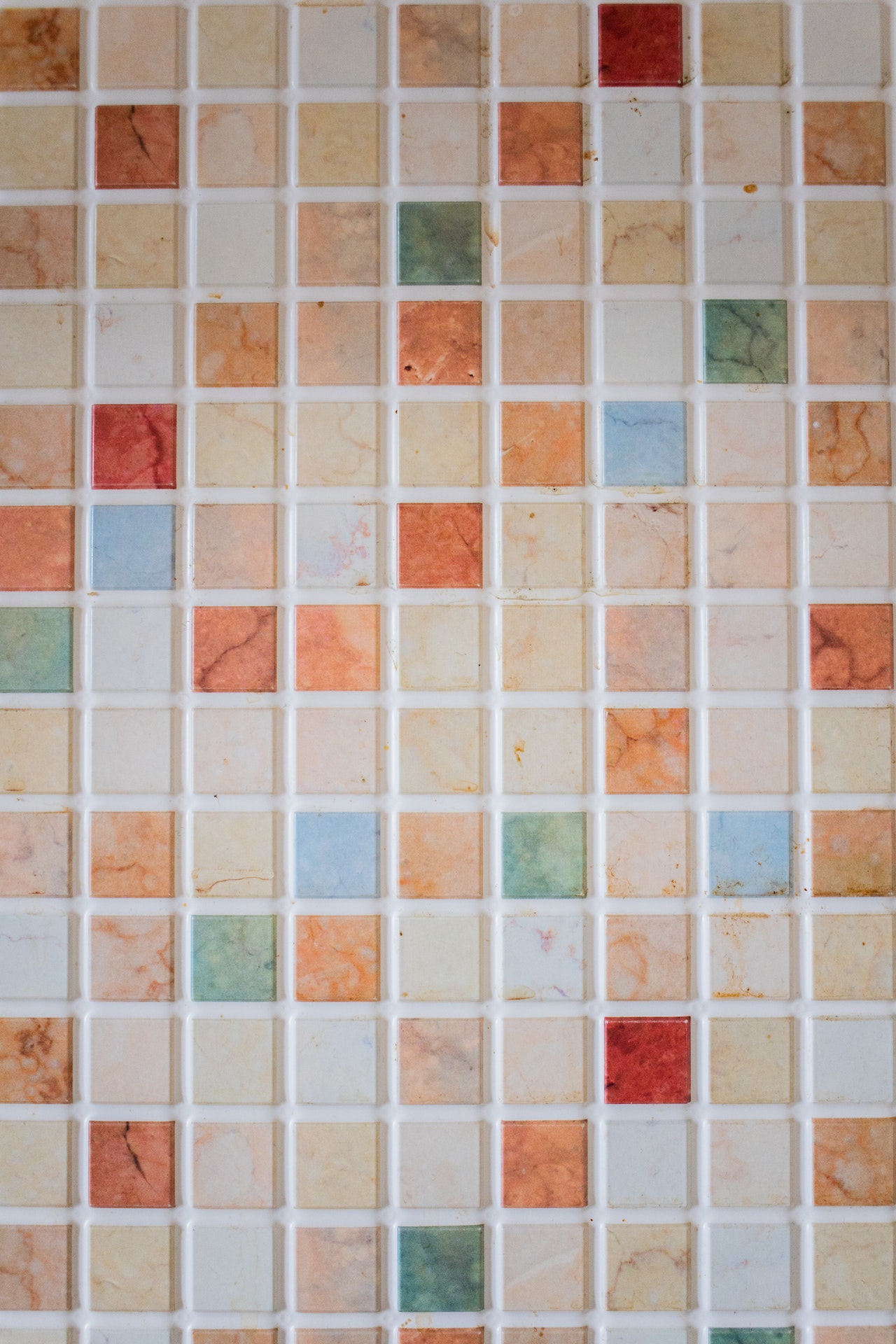
    Ceramic and porcelain tiles are versatile and eco-conscious flooring options. They are made from natural materials, including clay, and fired at high temperatures, which results in durable and low-maintenance flooring. Consider choosing tiles with recycled content or reclaimed tiles for an even more sustainable choice. Additionally, natural stone tiles, like slate or travertine, provide a luxurious and eco-friendly alternative, adding a touch of elegance to your space.

    Recycled Glass Glory

    Recycled glass tiles offer an eco-friendly flooring option with a contemporary twist. These tiles are made from discarded glass bottles and jars, providing a second life for these materials. Available in various colors and designs, they can bring a vibrant and artistic touch to your home. Their reflective properties can also enhance natural light in your space, reducing the need for artificial lighting.

    Natural Wool Carpets

    Carpeting has long been a popular choice for its comfort and warmth, but traditional carpets are often laden with synthetic materials and chemicals. Opt for natural wool carpets, which are not only biodegradable but also hypoallergenic and resistant to dust mites. Wool carpets come in a wide range of styles, from plush and cozy to sleek and modern, making them a versatile and eco-friendly flooring option.

    Eco-Friendly Vinyl Alternatives

    Vinyl is a common choice for kitchen and bathroom floors due to its water-resistant properties, but traditional vinyl is not the most environmentally friendly option. However, eco-conscious alternatives like Luxury Vinyl Plank (LVP) or Linoleum can offer the same practical benefits while minimizing environmental impact. LVP mimics the look of hardwood or stone and is often made from recycled materials. Linoleum, as previously mentioned, is a sustainable option that provides similar durability and water resistance.

    The Importance of Low VOCs

    No matter which eco-friendly flooring option you choose, it’s vital to consider the adhesives and finishes used during installation. Volatile Organic Compounds (VOCs) are chemicals commonly found in adhesives and finishes and can have adverse effects on indoor air quality. To ensure a healthy living environment, select products with low or zero VOCs, which will reduce the emission of harmful substances into your home.

    Conclusion

    Choosing eco-friendly flooring options for your home isn’t just a commitment to sustainability; it’s a commitment to the well-being of your family and the planet. Whether you opt for the timeless beauty of hardwood, the rapid renewal of bamboo, the warmth of cork, or the limitless creativity of reclaimed materials, there’s a sustainable flooring choice for every style and budget. By making these choices, you’re not only enhancing your living space but also contributing to a greener, healthier future for generations to come. So, as you embark on your next home improvement project, take a step toward a more sustainable and beautiful home with eco-friendly flooring.

  • How to Prepare Your Home for Flooring Installation

    How to Prepare Your Home for Flooring Installation

    Tips from the Experts

    Are you tired of those creaky old floorboards or the faded, worn-out carpets that have seen better days? If you’re considering a flooring upgrade, you’re in for a transformative home improvement project that can revitalize your living space. However, before you embark on this journey of renewal, it’s crucial to prepare your home thoroughly to ensure a smooth and successful flooring installation. To help you navigate this process with ease, we’ve gathered tips from the experts to ensure your new floors shine bright and strong.

    1. Assess Your Current Flooring:

    Before diving into any flooring project, it’s vital to take stock of your existing floors. Start by removing any furniture or obstacles that might be in the way. Examine the condition of your current flooring – is it carpet, tile, hardwood, or something else? This initial assessment will provide a baseline for what lies ahead and help you determine the best course of action.

    2. Choose Your New Flooring:

    Once you’ve evaluated your current flooring, it’s time to select the type of flooring that best suits your needs and style. The experts recommend considering factors like durability, maintenance, and aesthetics when making your choice. Whether you opt for the timeless charm of hardwood, the versatility of laminate, or the coziness of carpet, ensure that your selection aligns with your lifestyle and budget.

    3. Measure Twice, Cut Once:

    The age-old adage of “measure twice, cut once” is particularly relevant when preparing for a flooring installation. Accurate measurements are essential to purchasing the right amount of flooring materials, minimizing waste, and avoiding costly mistakes. If you’re not confident in your measuring abilities, it’s advisable to consult a professional for precise measurements.

    4. Acclimate Your Flooring Material:

    Many flooring materials need time to acclimate to the conditions of your home. Wood, in particular, is sensitive to changes in temperature and humidity. To prevent future warping, cupping, or buckling, experts recommend allowing your flooring materials to sit in your home for a specified period before installation. Follow the manufacturer’s guidelines for acclimatization, and be patient – it’s an essential step to ensure a successful flooring installation.

    5. Clear the Area:

    Preparing your space for the installation requires clearing the area of all furniture and personal items. This not only gives installers the space they need to work efficiently but also protects your belongings from dust and potential damage. If you’re unsure about the process, consult with your flooring installer for guidance on what to move and how to store your items safely.

    6. Check for Subfloor Issues:

    The condition of your subfloor is a critical factor in ensuring the longevity and integrity of your new flooring. Before installation, inspect your subfloor for any signs of damage, moisture issues, or uneven surfaces. If you find problems, address them promptly to avoid complications down the road. Consult with a professional if necessary.

    7. Remove Baseboards and Trim:

    To achieve a seamless and professional-looking installation, it’s recommended to remove baseboards, trim, and any other obstacles that might hinder the placement of your new flooring. This allows the flooring material to extend all the way to the walls and results in a cleaner finish. Be sure to label and store these removed items for reinstallation once the flooring is in place.

    8. Ensure Proper Ventilation:

    Adequate ventilation is crucial during a flooring installation. Proper airflow helps the flooring material acclimate and prevents issues like moisture buildup, which can lead to mold and mildew. Ensure that your installation area is well-ventilated, and consider using fans or dehumidifiers if necessary to maintain optimal conditions.

    9. Prepare for Dust and Noise:

    Flooring installation can be a noisy and dusty affair. Prepare your home by covering items that can’t be moved, and use plastic sheeting to isolate the installation area. It’s also a good idea to inform your neighbors if you live in close proximity to others to manage potential noise concerns.

    10. Schedule Professional Installation:

    While DIY enthusiasts may be tempted to take on the challenge of installing their own flooring, hiring a professional is often the best choice. Expert installers have the skills, tools, and experience to ensure a seamless and long-lasting installation. They can address any challenges that arise during the process and provide a warranty for their work, giving you peace of mind.

    11. Be Patient and Plan Ahead:

    A successful flooring installation requires patience and careful planning. It may take several days, depending on the type of flooring and the size of the area. Plan ahead and make arrangements for temporary living spaces if necessary, as you might need to vacate the installation area during the process.

    12. Post-Installation Care:

    Once your new flooring is in place, don’t forget to take proper care of it to ensure it retains its beauty and durability. Consult with your installer or refer to manufacturer guidelines for maintenance instructions. Different flooring types may require specific care routines, so stay informed to maximize the lifespan of your investment.

    Conclusion

    A well-prepared home is the foundation for a successful flooring installation project. By following these expert tips, you can ensure that your new floors not only look stunning but also stand the test of time. Remember that professional assistance is invaluable, and hiring skilled installers will save you from potential headaches and guarantee a job well done. As you walk on your newly installed floors, you’ll be reminded of the transformation and the care that went into preparing your home for this exciting change.

  • The Pros and Cons of Popular Flooring Options

    The Pros and Cons of Popular Flooring Options

    From Vinyl to Tile

    Flooring is the unsung hero of interior design. It’s the canvas upon which your home’s décor is painted. Whether you’re remodeling a room or building your dream house from the ground up, the choice of flooring can make or break the overall aesthetic. Two popular contenders in the world of flooring are vinyl and tile. Each has its own unique charm and characteristics, so let’s take a closer look at the pros and cons of these popular flooring options.

    The Age of Vinyl: Resilience with a Modern Twist

    Pros of Vinyl Flooring:

    1. Affordability: Vinyl flooring has always been the budget-friendly choice. It’s a cost-effective alternative to pricier materials like hardwood or stone, making it accessible for homeowners on a budget. The affordability of vinyl doesn’t mean you have to sacrifice style, as it comes in a vast range of colors and patterns, allowing you to achieve the look you desire without breaking the bank.

    2. Durability: Vinyl is no pushover. It’s built to withstand the demands of high-traffic areas, and its water-resistant properties make it ideal for bathrooms and kitchens. Vinyl is resistant to scratches and dents, which is a boon if you have pets or young children. In essence, it’s a flooring option that can take a beating and still look good.

    3. Comfort Underfoot: One of vinyl’s hidden charms is its comfortable feel underfoot. Unlike the cold, hard surface of tile, vinyl has a slight cushioning effect, making it easier on your feet, especially in areas where you spend a lot of time standing.

    4. Easy Maintenance: Vinyl flooring requires minimal upkeep. A simple sweep or vacuum followed by a mop with a mild detergent is usually all it takes to keep it looking fresh. There’s no need for expensive cleaners or complicated maintenance routines.

    5. Versatility: Vinyl is incredibly versatile. It can mimic the look of wood, stone, or ceramic tiles, and it can be installed in various ways, such as planks, sheets, or tiles. This versatility means you can adapt it to different styles and designs, from rustic farmhouse to sleek contemporary.

    Cons of Vinyl Flooring:

    1. Susceptible to Fading: Over time, vinyl flooring can be susceptible to fading when exposed to direct sunlight. While many vinyl products have built-in UV protection, it’s still something to consider if your space receives a lot of natural light.

    2. Not as Eco-Friendly: Vinyl is made from synthetic materials, which means it’s not as eco-friendly as some other options. While there are more sustainable vinyl products on the market, it’s still a synthetic material with a larger environmental footprint compared to natural alternatives.

    3. Limited Lifespan: While vinyl is durable, it doesn’t have the same lifespan as natural materials like hardwood or stone. It can last for many years, but it may need to be replaced sooner than more expensive options.

    Tile Time: The Timeless Elegance of Ceramic and Porcelain

    Pros of Tile Flooring:

    1. Timeless Elegance: Tile has a timeless and sophisticated appeal. It has been used for centuries, and its classic look never goes out of style. Whether you choose ceramic or porcelain, tile can add a touch of luxury to any room.

    2. Durability: Tiles are incredibly durable. They can withstand heavy foot traffic, resist moisture, and are highly resistant to stains, making them an excellent choice for high-traffic areas like entryways, kitchens, and bathrooms. In fact, some tiles can last a lifetime.

    3. Easy to Clean: Tiles are among the easiest flooring materials to clean. A simple sweep or mop, along with occasional grout cleaning, is all it takes to keep your tile floors looking pristine.

    4. Heat Conductivity: Tile flooring has a unique property of conducting heat efficiently. This makes it an excellent choice for homes with radiant floor heating systems, as it allows heat to spread evenly across the room.

    5. Variety of Styles: Tiles come in an extensive range of styles, shapes, and colors. You can create intricate mosaics or choose large-format tiles for a sleek, modern look. The variety of options means you can customize your space to your heart’s content.

    Cons of Tile Flooring:

    1. Cold and Hard: One of the primary drawbacks of tile flooring is its cold and hard nature. Walking on tile in bare feet on a chilly morning can be a bit of a shock. Area rugs can help mitigate this, but the inherent nature of tile can be uncomfortable in certain areas.

    2. Installation Complexity: Installing tile is not a DIY project for everyone. It requires precise measurements, a level subfloor, and expertise in working with adhesives and grout. Improper installation can lead to uneven surfaces and an unattractive finish.

    3. Grout Maintenance: While the tile itself is easy to clean, the grout lines can be a bit more challenging to maintain. Grout can stain and discolor over time, and it’s more prone to collecting dirt and debris. Periodic resealing and cleaning of the grout may be necessary.

    4. Cost: Tile can be expensive, especially when you opt for premium materials or intricate designs. The initial cost of purchase and installation can be higher compared to vinyl, which may deter some budget-conscious homeowners.

    Vinyl Vs. Tile

    The choice ultimately depends on your lifestyle, design preferences, and budget. Vinyl offers an affordable, low-maintenance, and comfortable flooring option with a wide range of styles to choose from. On the other hand, tile brings timeless elegance and unmatched durability to your home, with the caveat of being a bit colder and harder underfoot.

    Remember that there’s no one-size-fits-all answer when it comes to flooring. Both vinyl and tile have their unique characteristics and advantages, and the decision should be based on your specific needs and preferences. Whether you’re stepping onto vinyl’s cushioned surface or the timeless beauty of tile, your floors will play a significant role in shaping the atmosphere of your home. So, choose wisely, and let your feet tread upon your chosen path to interior perfection.

  • A Guide to Choosing the Right Floor for Your Home – Flooring 101

    A Guide to Choosing the Right Floor for Your Home – Flooring 101

    The Foundation of Your Home’s Personality

    When it comes to home design, one of the most crucial decisions you’ll make is selecting the right flooring. It’s not just about aesthetics but also comfort, durability, and functionality. Your choice of flooring sets the tone for your entire living space. Think of it as the foundation of your home’s personality. In this Flooring 101 guide, we will take you on a journey through the world of flooring, helping you make the best choice for your unique abode.

    Chapter 1: The Classics – Hardwood Floors

    If you’re a fan of timeless elegance and warmth, hardwood floors might be your best choice. Hardwood has been a staple in interior design for centuries, and for good reason. Its natural beauty, durability, and the warmth it brings to a room make it an ideal choice for both traditional and modern spaces.

    There are various types of hardwood to choose from, such as oak, maple, cherry, and walnut, each with its unique color and grain patterns. The finish you select, whether it’s glossy, matte, or distressed, can dramatically change the look and feel of your space.

    Hardwood floors are durable and can last for decades with proper care. However, they are not immune to scratches, and moisture can be their enemy. Ensure you keep them clean and well-maintained to preserve their charm for generations to come.

    Chapter 2: Affordable Elegance – Laminate Flooring

    For those who want the look of hardwood without the cost, laminate flooring offers an excellent alternative. Laminate is engineered to resemble the natural beauty of hardwood, and it does so brilliantly.

    What sets laminate apart is its affordability, ease of installation, and resistance to stains and wear. It’s also a great option for DIY enthusiasts, as it often comes in click-and-lock systems that make installation a breeze.

    Laminate flooring is a practical choice for active households, as it can withstand heavy foot traffic, pets, and children’s play. With an array of designs and textures available, you can find laminate that suits your style and your budget.

    Chapter 3: Versatile and Resilient – Vinyl Flooring

    Vinyl flooring has come a long way from its humble beginnings. Today, it’s a popular choice for homeowners who want a versatile and resilient floor covering. Vinyl comes in various forms, including luxury vinyl tile (LVT) and luxury vinyl plank (LVP).

    What makes vinyl stand out is its waterproof nature, making it an ideal choice for kitchens and bathrooms. It’s also easy to clean and maintain, and it’s soft underfoot, providing some cushioning and comfort. This flooring type can replicate the look of natural materials like wood and stone, allowing you to achieve your desired aesthetic without the maintenance requirements.

    Chapter 4: The Soft Side – Carpet Flooring

    For comfort and warmth, carpet is the go-to choice. There’s nothing quite like sinking your toes into plush, soft carpet after a long day. Carpets come in various styles, materials, and colors, allowing you to tailor your flooring to your specific tastes and needs.

    Carpet not only adds a cozy touch to your home but also serves as an excellent sound insulator. It reduces noise levels, making it perfect for bedrooms and living rooms. However, keep in mind that carpets can be susceptible to stains, so regular cleaning and maintenance are essential.

    Chapter 5: Timeless Charm – Tile Flooring

    Tile flooring is known for its enduring charm and versatility. From classic ceramic to modern porcelain and natural stone, tile offers a wide range of styles, colors, and patterns. Whether you’re going for a rustic, Mediterranean, or contemporary look, you’ll find the right tile for your project.

    Tiles are exceptionally durable and can handle moisture, making them perfect for kitchens, bathrooms, and even outdoor spaces. They are easy to clean and maintain, and their longevity is unmatched. The choice between large or small tiles, patterns, and colors allows for endless design possibilities.

    Chapter 6: Sustainability and Eco-Friendliness – Cork and Bamboo Flooring

    As the world becomes more eco-conscious, sustainable flooring options are gaining popularity. Cork and bamboo flooring are two great choices for those who want to minimize their environmental footprint.

    Cork is harvested from the bark of cork oak trees, which naturally regenerate, making it a sustainable choice. Cork is soft, comfortable underfoot, and provides natural insulation. It’s resistant to mold and mildew, making it ideal for damp environments.

    Bamboo flooring is another eco-friendly option, as bamboo grows rapidly and is a renewable resource. It has a unique appearance and is just as durable as many hardwoods. Bamboo is an excellent choice for those who want a sustainable and stylish flooring option.

    Chapter 7: The New Frontier – Concrete Flooring

    For a modern and industrial look, concrete flooring has gained popularity in recent years. It’s not just for warehouses and garages anymore; it’s a stylish and durable choice for homes.

    Concrete can be polished, stained, or stamped to achieve a variety of looks, from sleek and minimalistic to rustic and natural. Its durability and ease of maintenance make it a top choice for high-traffic areas, and its thermal mass properties can help regulate indoor temperatures.

    Chapter 8: Don’t Forget the Subfloor

    While selecting the right surface flooring is vital, don’t forget about the often-neglected subfloor. A quality subfloor can improve the lifespan and comfort of your chosen flooring. Whether it’s plywood, OSB, or concrete, ensure it’s level, dry, and in good condition before installing your flooring.

    Conclusion

    Selecting the right flooring for your home is a personal journey that reflects your style, needs, and budget. The right choice can transform your space, providing both comfort and beauty. Whether you opt for timeless hardwood, cost-effective laminate, versatile vinyl, plush carpet, enduring tile, sustainable cork or bamboo, modern concrete, or another option, the key is to find the perfect fit for your unique home.

    As you embark on your flooring adventure, remember that the foundation of your space deserves attention and care. With the right choice, you can create a home that not only stands the test of time but also tells your story through its floors. Happy flooring, and may your home be as beautiful and unique as you dream it to be.

  • Why Choose this Classic Flooring Option?

    Why Choose this Classic Flooring Option?

    The Benefits of Hardwood Flooring

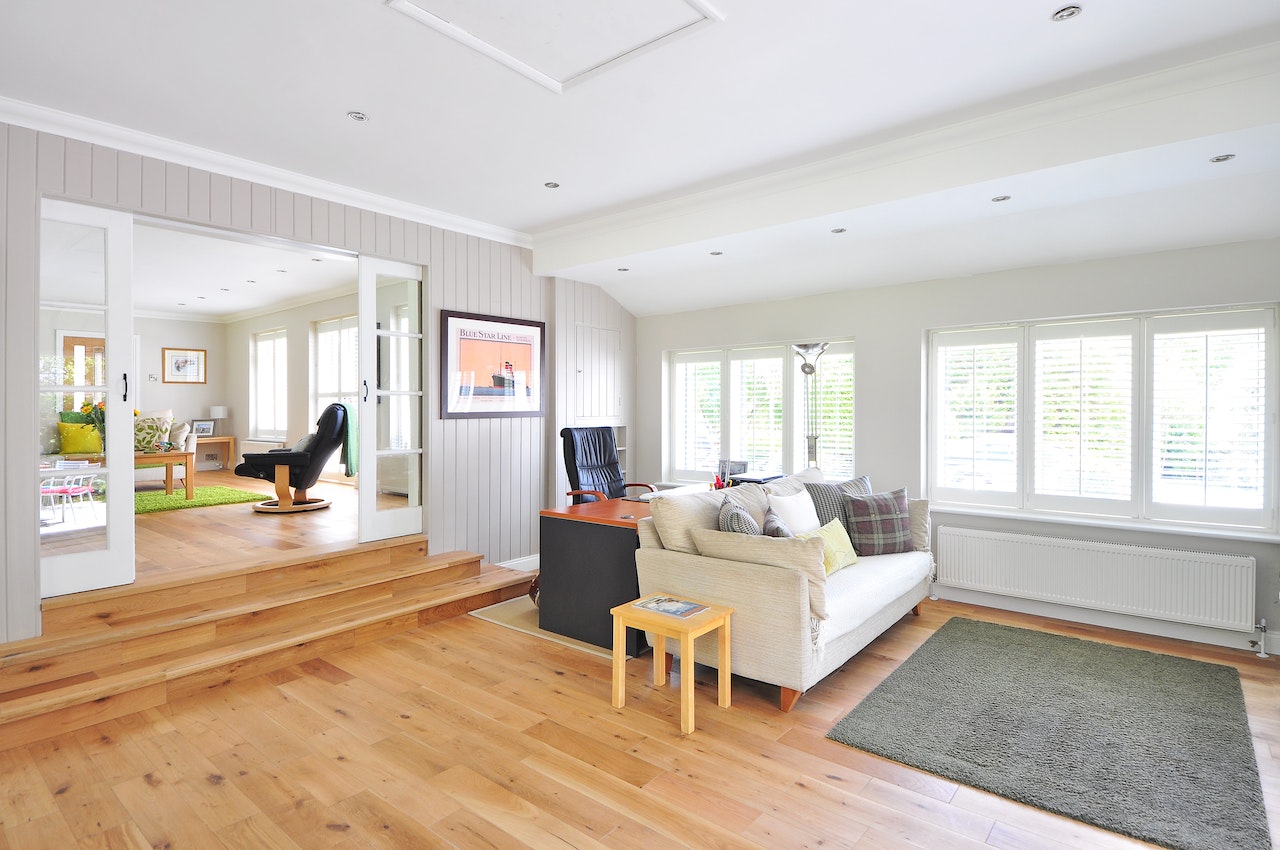
    In the ever-evolving world of interior design, where trends come and go like the seasons, one classic flooring option continues to stand the test of time: hardwood flooring. The enduring appeal of hardwood is not merely a result of its elegant aesthetic, but it’s also attributed to the numerous benefits it offers homeowners. From durability and versatility to health benefits and environmental sustainability, hardwood flooring is a choice that speaks to both your heart and your head. In this article, we’ll explore fifteen compelling reasons why hardwood flooring should be at the top of your list when considering flooring options.

    Timeless Elegance:

    Hardwood flooring exudes a timeless charm and sophistication that complements any decor style. Whether your home boasts a modern, rustic, or traditional interior, hardwood floors can seamlessly fit into the design, adding a touch of class to any space.

    Durability:

    Hardwood is renowned for its remarkable durability. With proper maintenance, hardwood floors can last for generations, making them a worthwhile investment. The wood’s hardness varies, so you can select a type that suits your lifestyle and traffic levels.

    Easy Maintenance:

    One of the most appreciated benefits of hardwood flooring is its easy maintenance. Unlike carpets, which trap dust, allergens, and stains, hardwood floors can be easily cleaned with a broom, vacuum, or damp cloth. This low-maintenance feature is a blessing for busy households.

    Improved Indoor Air Quality:

    Hardwood flooring promotes healthier indoor air quality. Unlike carpets, which harbor allergens and dust mites, hardwood floors don’t trap these irritants. This makes hardwood floors an excellent choice for those with allergies or respiratory conditions.

    Endless Design Possibilities:

    Hardwood floors come in a vast array of species, colors, and finishes. From the deep richness of cherry to the light, airy appeal of oak, you have the creative freedom to choose the perfect wood for your unique space. You can also customize the finish, achieving the exact look you desire.

    Increased Home Value:

    Hardwood floors are an attractive feature for homebuyers. Homes with hardwood flooring tend to sell for more money and faster than those without. So, investing in hardwood flooring not only enhances your living space but also adds value to your property.

    Natural Warmth:

    One of the often-underestimated benefits of hardwood flooring is its ability to provide natural warmth. Wood has inherent insulating properties, which help keep your home comfortable and cozy year-round.

    Eco-Friendly Option:

    For environmentally-conscious homeowners, hardwood flooring is a top choice. Sustainable forestry practices ensure a renewable source of hardwood, making it an eco-friendly flooring option. Additionally, hardwood floors require fewer chemicals for cleaning and maintenance, reducing their overall environmental impact.

    Versatility:

    Hardwood flooring is incredibly versatile. It can be installed in nearly any room in your home, including high-traffic areas like hallways and kitchens. Its adaptability allows for a seamless, open-concept design throughout your living space.

    High Resale Value:

    When it’s time to sell your home, hardwood floors can significantly increase its resale value. Buyers are often willing to pay more for homes with hardwood flooring due to their timeless appeal, durability, and ease of maintenance.

    Natural Beauty:

    Each hardwood plank is a unique work of art, showcasing the wood’s natural grain patterns and colors. This distinctive beauty adds character and authenticity to your home, turning it into a haven of elegance.

    Easy to Refinish:

    Over time, your hardwood floors may develop minor scratches or wear marks. The beauty of hardwood is that it can be refinished multiple times, restoring its original shine and beauty. This extends the lifespan of your flooring, making it an excellent long-term investment.

    Hygienic Surface:

    Hardwood flooring is a hygienic choice, as it doesn’t trap dirt, pet dander, or allergens. It’s the ideal flooring option for households with pets or allergies, promoting a healthier living environment.

    Warm Underfoot:

    Not only does hardwood look warm, but it also feels warm underfoot. Unlike tile or stone flooring, which can be cold and uncomfortable, hardwood adds a touch of coziness to your home. Pair it with a few rugs for a perfect blend of style and comfort.

    Ageless Appeal:

    While trends may come and go, hardwood flooring endures the test of time with grace. Its ageless appeal ensures that your investment in this classic flooring option will continue to impress and delight for years to come.

    Conclusion

    The benefits of hardwood flooring are as diverse as the countless wood species available, allowing you to create a space that reflects your style and personality. Its enduring beauty, durability, and environmental friendliness make it a wise choice for both the present and the future. Hardwood floors are not merely a flooring option; they are a timeless investment in the comfort, health, and value of your home. So, if you’re looking for a flooring solution that marries classic elegance with modern sensibilities, hardwood is the clear choice.